
Tech & Society
U.S. Adults Fail AI 101
Most Americans don’t understand AI, according to a new survey. Only 16 percent of adults in the United States got a passing grade on a true-or-false questionnaire of AI’s capabilities and uses.

Tech & Society
Most Americans don’t understand AI, according to a new survey. Only 16 percent of adults in the United States got a passing grade on a true-or-false questionnaire of AI’s capabilities and uses.

The Batch Newsletter
One rule I try to live by is to not surprise my collaborators. During a project, for example, a deadline may slip, or a customer may drop out.

Business
Machines are doing light janitorial work in the uncontrolled environment of Google’s offices. Everyday Robots, a new spin-out from Google’s experimental X Development division, unleashed 100 robots to perform an array of cleanup tasks.

Machine Learning Research
Nothing is certain except death and taxes, the saying goes — but how to make taxes fair and beneficial remains an open question. New research aims to answer it.
Tech & Society
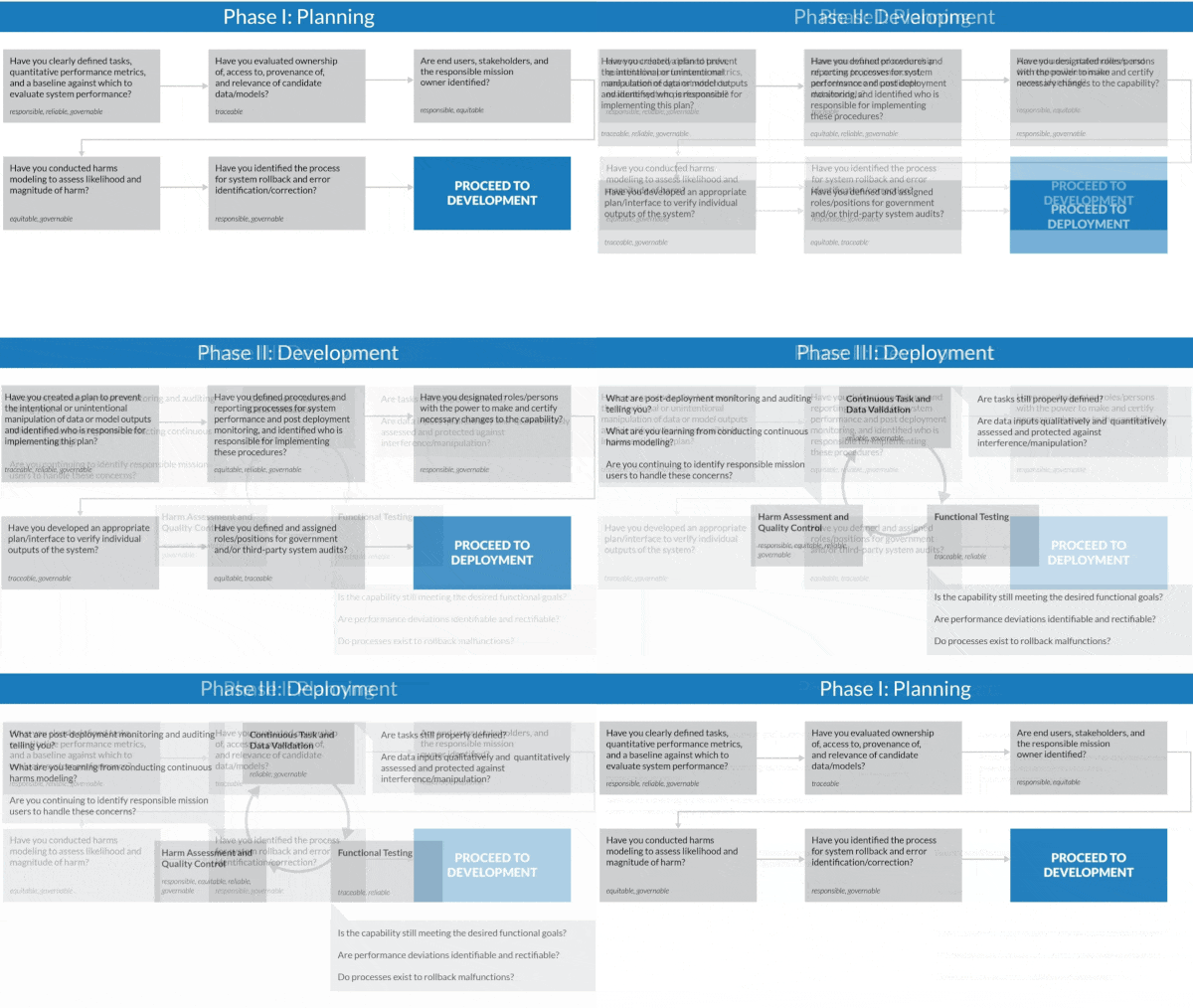
The U.S. Department of Defense issued new ethical guidelines for contractors who develop its AI systems. The Pentagon’s Defense Innovation Unit, which issues contracts for AI and other high-tech systems, issued guidelines that contractors must follow.
Machine Learning Research
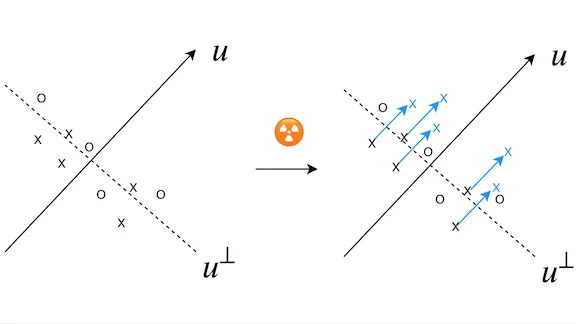
Where labeled training data is scarce, an algorithm can learn to request labels for key examples. While this practice, known as active learning, can supply labeled examples that improve performance in some tasks, it fails in others.

The Batch Newsletter
As we approach the end of the year, many of us consider setting goals for next year. I wrote about setting learning goals in a previous letter. In this one, I’d like to share a framework that I’ve found useful: process goals versus outcome goals.

Interviews & Essays
There’s a reason why artificial intelligence is sometimes referred to as “software 2.0”: It represents the most significant technological advance in decades. Like any groundbreaking invention, it raises concerns about the future, and much of the media focus is on the threats it brings.

Interviews & Essays
Large models pretrained on immense quantities of text have been proven to provide strong foundations for solving specialized language tasks. My biggest hope for AI in 2022 is...

Interviews & Essays
I believe that natural language processing in 2022 will re-embrace symbolic reasoning, harmonizing it with the statistical operation of modern neural networks. Let me explain what I mean by this.

Interviews & Essays
Until recently, big data processing has been dominated by batch systems like MapReduce and Spark, which allow us to periodically process a large amount of data very efficiently.

Interviews & Essays
Things are really starting to get going in the field of AI. After many years (decades?!) of focusing on algorithms, the AI community is finally ready to accept the central role of data and the high-capacity models that are capable of taking advantage of this data.